When the weather swings, rushed choices can lead to avoidable delays. In this guide, we lean into a risk‑aware approach so you can balance budget with real performance. We’ll map out practical planning steps and compare what actually affects runtime, comfort, and warranty support. You’ll spot how bids split labor, and how to vet crews for safety. Whether you own a ranch house, the same rules apply to full changeouts. Stick to objective checks to reduce callbacks and improve comfort. We’ll highlight coordination tips with tenants and staff. If you prefer nearby crews, start with local HVAC services and compare how they plan, sequence, and document the work.
Map scope early and set workable expectations before signoff
A clean scope avoids scope creep and keeps timelines steady. You can browse HVAC Repair and collect sample scopes to align on tasks, access windows, and utility cutoffs. Start with room counts, system age, and noise complaints. Write acceptance criteria in plain language so both sides can verify results. For example, list "bedroom supply temps within 2°F of hallway," plus "return noise under 45 dB at door." That reduces disputes later when readings are logged.
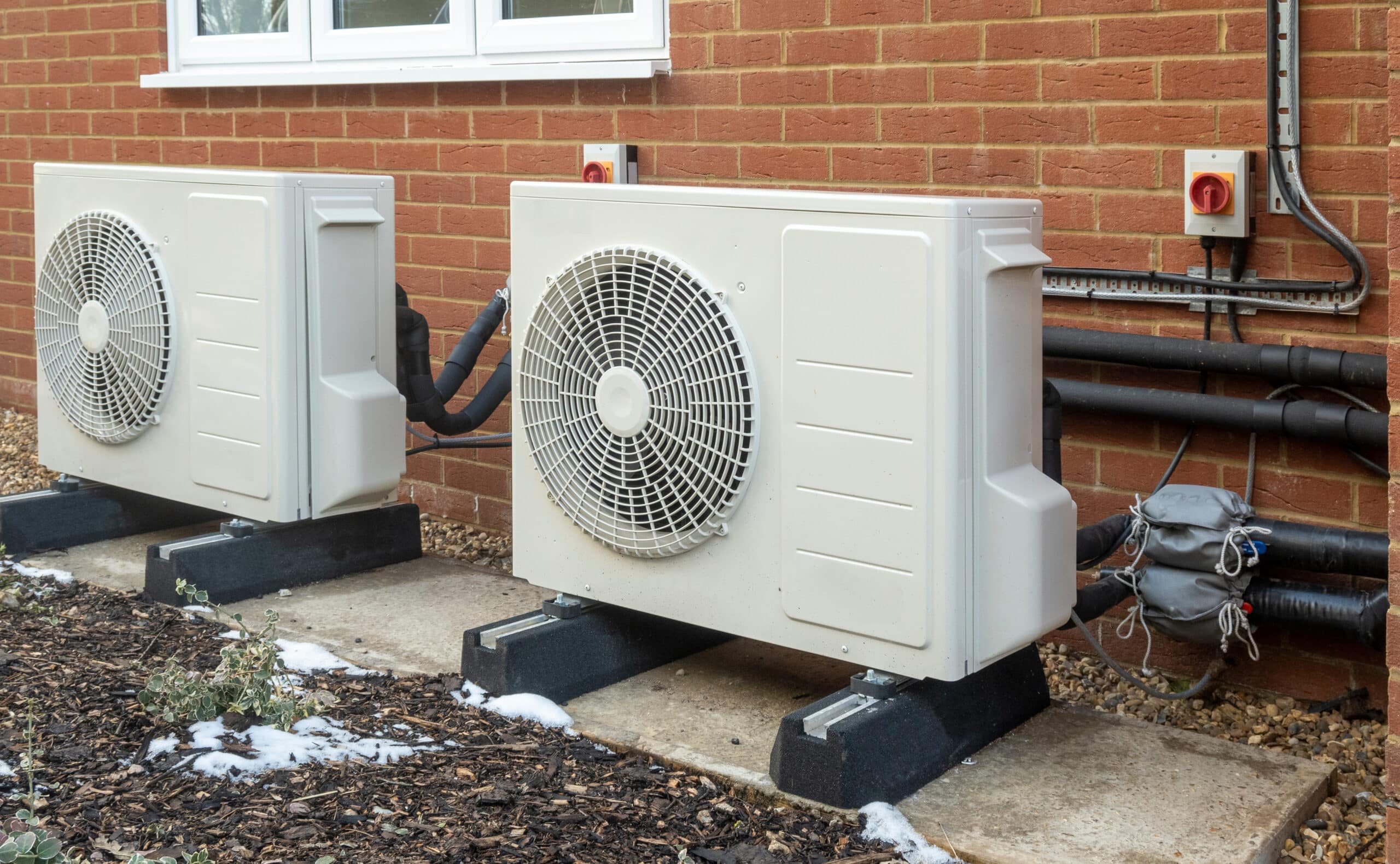
Create a simple site map showing equipment, drain routes, and panel access. Flag ladder zones to avoid accidents. Set brief standups to track snags and material arrivals. If the building has quiet hours, note them in the plan. Small details save big time when crews mobilize.
Choose components and inputs that match climate loads and user needs
Material choices drive noise over years, not weeks. Compare part specs while you review HVAC Repair to match filter sizes, coil design, and condensate hardware. In a shore condo, saline air chews thin aluminum; opt for coated coils and stainless fasteners. In a salon with aerosols, choose deeper filter media and better frames. Those choices preserve airflow as loads shift.
Check noise ratings closely if bedrooms sit near the condenser. Under‑pad mounts can cut vibration on light decks. Match line diameters to factory charts; too small can starve oil, oversized slows velocity. If lead times spike, ask if a like‑kind swap preserves the warranty. Tie selections to the load calc, and document any changes with HVAC Repair noted in the file.
Sequence tasks and staging to reduce downtime and rework
A tight sequence protects finishes and keeps staff comfortable. Build a day‑by‑day plan while checking HVAC Repair so crews can stage ladders, cordons, and drop cloths. In a dental suite, schedule loud roof work before 8 a.m., then quiet tune indoor tasks during patient hours. For a daycare, limit access zones with door tags. Such moves preserve goodwill.
Pad the schedule for elevator bookings. Name a material lead to avoid idle time. Close punch items daily so "done" means done. If a thermostat swap slips, log it and re-slot the task. Fold in buffer time around holidays and school events when HVAC services demand spikes across town.
Verify performance and control common risks before handoff
Quality isn’t a mystery; it’s checked. Tie each test to a line on your scope while you consult HVAC Repair and set pass ranges for delta‑T, duct pressure, and trap prime. In a ranch home, compare supply temps at far bedrooms after 20 minutes on cool. On a mini‑split, log amperage against spec at mild temps. Written numbers beat gut feel when questions pop up.
Think through failure modes early: clogged drain pans, missing caps, and weak joints. Fit secondary pans where risk is known. Seal line chases to stop drafts. Photograph serial plates for the records. If a fan motor whines at start, note it now and schedule HVAC repairs before the warranty window fades.
Support care and lifecycle with clear ownership steps
Handovers should be practical, not thick binders. Provide a one‑page schedule while you review HVAC Repair that lists filter sizes, part numbers, and seasonal checks. In a duplex, label returns with filter sizes and arrows for quick swaps. QR stickers on doors simplify homeowner tasks. This boosts on‑time care and cuts surprises.
Set alerts for drain checks before pollen spikes, and for heating tests in fall. Show how to read error codes so residents call with useful info. Explain warranties clearly, including limits on DIY fixes. For off‑hours issues, post contacts for Hvac and note expected response times for a basic HVAC service so no one is left guessing.
Conclusion: Great results come from clear prep, wise material picks, and clean sequencing. Measured tests remove emotion from quality calls and steer fixes fast. Maintenance habits keep systems steady while budgets stay predictable, and emergency HVAC repair becomes the rare exception. Lean on this checklist, compare teams on facts, and enjoy a quieter, more efficient home.